
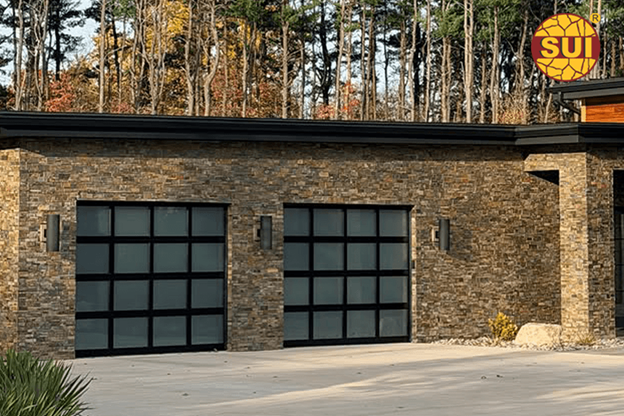
Professionals in the natural stone industry, including dealers, contractors, designers, and landscape architects, rely on ledge stone for many exterior projects. This material creates a distinctive stacked pattern that covers surfaces and adds visual interest. On outdoor walls and facades, it encounters daily challenges from moisture, temperature fluctuations, ultraviolet light, and physical wear. Choosing the appropriate ledge stone grade and type is critical to ensuring the installation lasts for decades and meets client expectations. In this article, we examine essential evaluation steps. These draw from standard testing protocols and field observations to guide decisions that minimize long-term problems.
Understanding Ledge Stone Construction
Ledge stone features natural stone flat panels that complement L-shaped corner pieces. Installers position the flat panels to form the primary wall coverage. The L-shaped corners then secure to the edges, returns, and junctions, producing a smooth, integrated finish that conceals raw cuts. Together, these components replicate a traditional stacked stone effect without the need for full-depth blocks.
Ledgestone is available in two thickness options – ¾ inch and 1¼ inch. Compared to traditional stone, it is thinner, lighter, and easier to handle during installation. Corner units match this profile for precise alignment. As a natural product, ledge stone displays variations in hue, surface texture, and subtle veining. Such traits contribute to the organic appeal of each project. When applied to ledge stone outdoor settings, selection emphasizes materials that retain both form and function amid prolonged environmental contact.
Primary Factors That Determine Durability
Many measurable attributes influence the long-term performance of ledge stone in exterior applications. Each factor should be evaluated carefully during the material selection and specification process.
Stone Characteristics and Hardness
The inherent characteristics of natural stone play a significant role in its overall resilience and structural reliability. Variations in mineral composition, formation process, and quarry source can influence the strength and performance of each stone type.
Rather than relying on general assumptions about stone varieties, project teams should evaluate material performance using standardized laboratory testing. Compressive strength and flexural strength reports provide reliable data on how the stone responds to pressure, structural stress, and environmental exposure. These reports are especially important for vertical installations or load-bearing façades where material integrity directly affects safety and longevity.
Reviewing certified testing documentation for the exact batch being supplied ensures that the selected material meets the required performance standards for the intended application.
Water Absorption and Porosity
A stone’s water absorption capacity influences its behavior in humid or rainy environments. Materials with lower absorption levels are generally less susceptible to staining, salt deposits, and moisture-related stress.
Because absorption rates vary based on quarry origin, mineral composition, and finishing processes, the most accurate assessment comes from laboratory test reports for the specific stone batch. These reports indicate the material’s porosity level and its ability to resist moisture penetration over time.
Stones with restricted absorption help maintain surface clarity and contribute to the long-term stability of joints and adhesives. Projects in regions with frequent rainfall or elevated humidity particularly benefit from materials with controlled absorption characteristics verified through testing.
Density and Panel Integrity
Density reflects how compact the stone’s internal structure is and contributes to its resistance to impact and structural movement. Higher density typically indicates a tighter mineral structure that supports durability under environmental stress.
Density should be evaluated alongside compressive strength and absorption results provided in laboratory reports. Considering these parameters together helps ensure a balanced material specification that supports long-term durability while maintaining installation efficiency and structural reliability.
Panel thickness warrants scrutiny, too. Standard ledge stone outdoor selections range from 1 to 2 inches, striking a practical balance between added mass for security and lighter handling requirements. Greater thickness bolsters vertical hold but increases substrate requirements. Shallower depths ease transport yet require meticulous placement to avoid shifts.
Assess natural veining and fine cracks. Pronounced or branching veins signal potential fracture sites that emerge with time. Premium panels exhibit even tonality and few inherent flaws. Extend this examination to corner elements, which endure heightened tension at turns. Precisely formed L-shapes foster secure seams and deter moisture infiltration through gaps.
Sourcing and Supplier Reliability
Stone provenance affects batch uniformity and overall caliber. Deposits from geologically consistent regions results steadier outputs. Partner with vendors who furnish exhaustive records for incoming stock.
Inquire about quarry coordinates, harvesting techniques, and pertinent accreditations. Demand fresh ASTM documentation aligned to the inventory. Nothing surpasses hands-on samples for gauging shade spectrum, tactile consistency, and border precision. Line up various pieces beneath daylight to uncover discrepancies that screens obscure.
Volume handling is critical for expansive facade projects. Ascertain the vendor’s ability to fulfill quantities promptly. An established ledgestone importer sustains reliable channels for vetted stock and imparts knowledge from comparable ledge stone outdoor deployments.
Practical Selection Checklist
Follow this checklist to refine your decision process:
- Select stone based on the job’s structural needs and site exposures.
- Scrutinize absorption figures and potency assays from the source or ledgestone importer.
- Array several examples to validate harmony in shade and grain across the full run.
- Assemble a trial layout of flats and turns to appraise mating and seam tightness.
- Secure bespoke fitting directives suited to the material.
- Validate delivery timelines, lot minima, and recourse terms before commitment.
Routine Maintenance Expectations
Maintenance requirements are simple for most natural ledge stone installations.
Address cleaning one to two times annually via a blend of gentle soap and water, paired with a soft-bristled tool or moderated rinse. Steer clear of corrosive agents or forceful sprays, which might abrade tender varieties or undermine bonds. Clear foliage, sediment, and vegetative traces without delay to sidestep marks or accumulations.
Schedule walkthroughs to scan for displaced units, fractured returns, or faded barriers. For moderately absorbent selections, refresh with a deep-penetrating barrier at 2- to 3-year intervals, or sooner if repellency wanes.
Steady vigilance sustains the facade’s polish and nips minor faults in the bud.
Conclusion
Opting for resilient ledge stone in outdoor walls and facades hinges on probing stone composition, uptake limits, compactness, assay outcomes, and vendor stability. A deliberate method that includes data review, exemplary trials, and adherence to appropriate norms yields enduring, pleasing outcomes. For superior natural stone selections tailored to such uses, turn to Stone Universe Inc. Their assortment of ledge stone carries thorough dossiers to aid dealers, builders, and planners.


